Parker Barrow
〰️
Blues Infused
〰️
Southern Rock n' Roll
〰️
Parker Barrow 〰️ Blues Infused 〰️ Southern Rock n' Roll 〰️
New Single + Official Music Video
‘Blinded’ OUT NOW
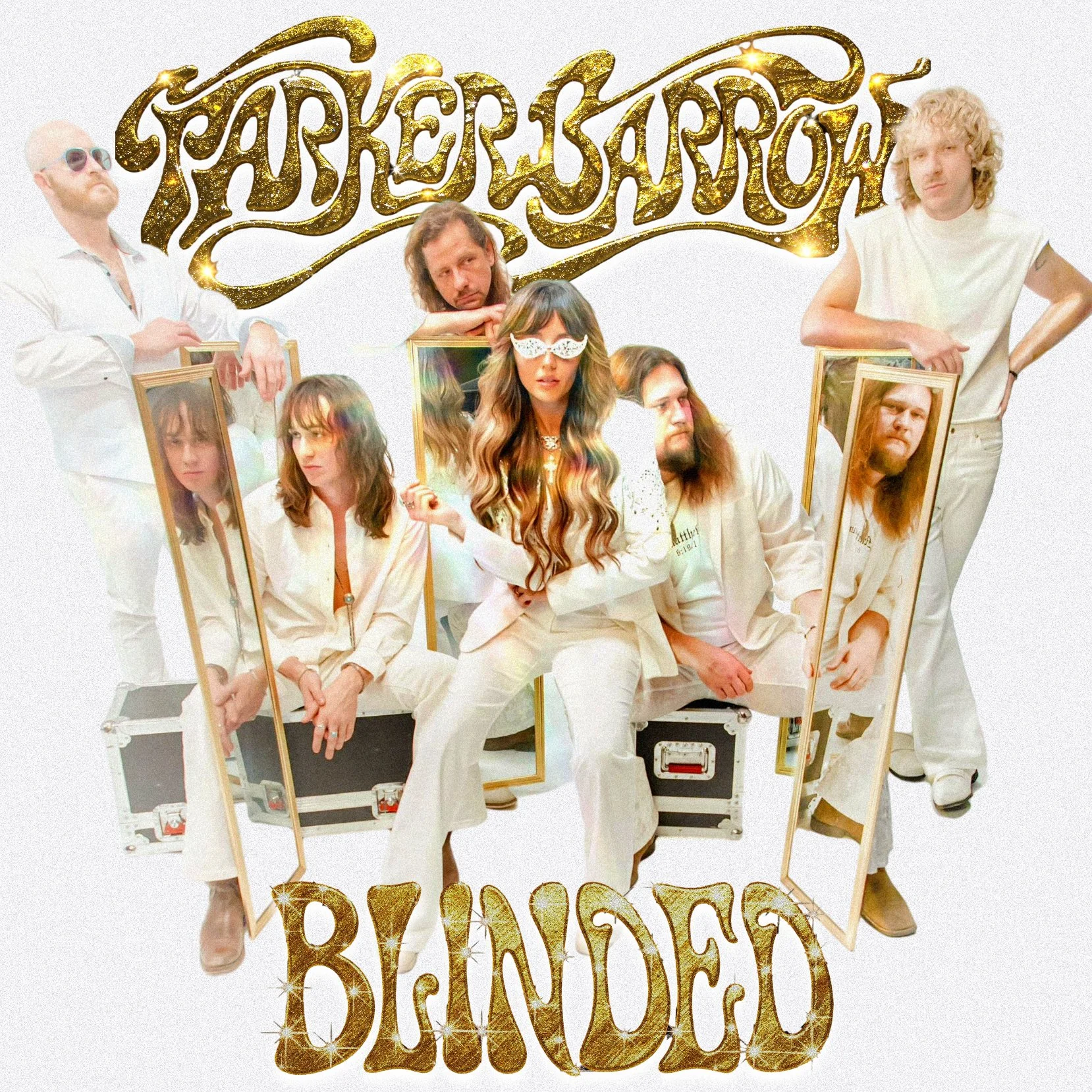
n some ways this song just makes me think of classic rock, like back when Lynyrd Skynyrd and Led Zeppelin were prominent. But I’m also reminded of the sound closer to blues in here, which gives it that soul and makes it feel closer to gospel as well. In many ways and on many levels I feel like music can be a very religious experience and the way that this song comes across just seems to reinforce that idea. . - Raised by Cassette
What People Are Saying
That balance between simplicity and intent carries through the arrangement. “Blinded” doesn’t build toward a big release or a climactic moment. It stays consistent, letting the groove do most of the work. That can be a risk, but in this case it gives the song a certain durability. It holds its shape.
The result is a song that thrives on restraint. Its power lies not in excess, but in feel: a tight, Stonesy riff, a locked-in rhythm section, and space for the vocal to breathe.
Don your vintage threads,
stomp your platform boots to this
swaggering rocker.
— Haiku Reviews
Music
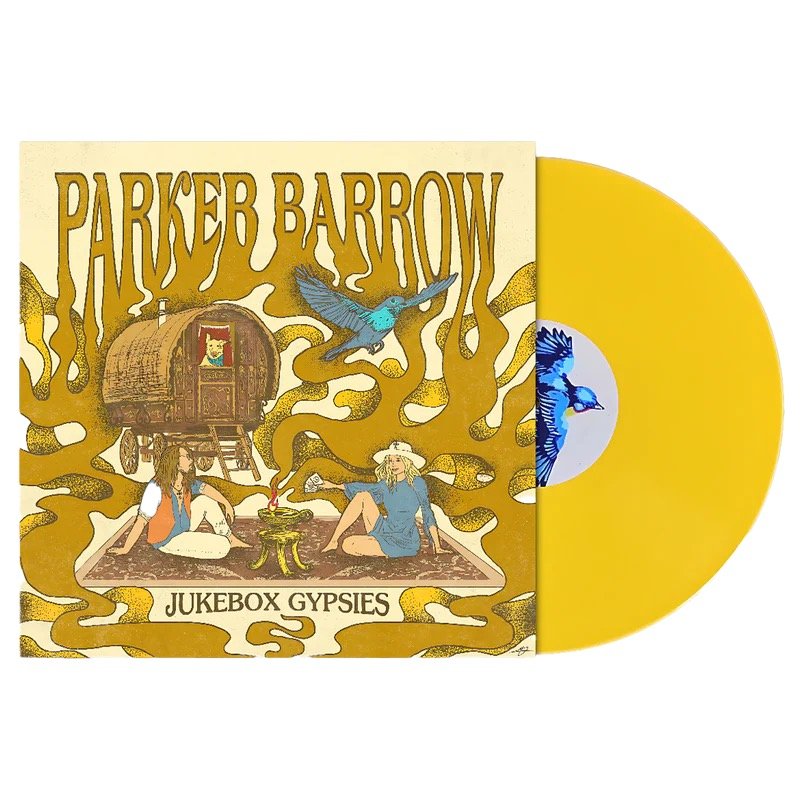
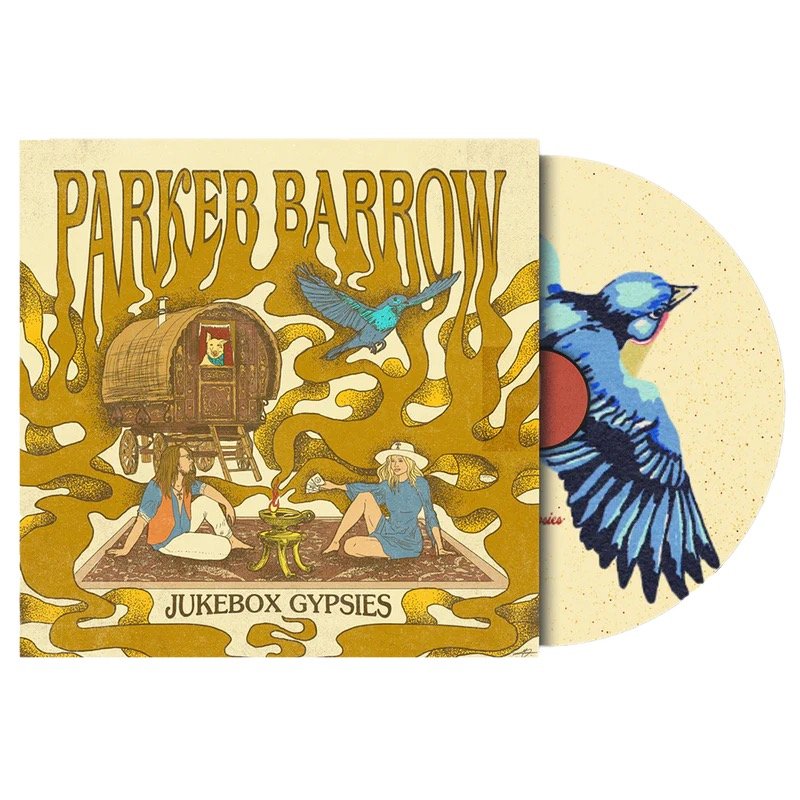
STREAM OUR DEBUT ALBUM “JUKEBOX GYPSIES” NOW

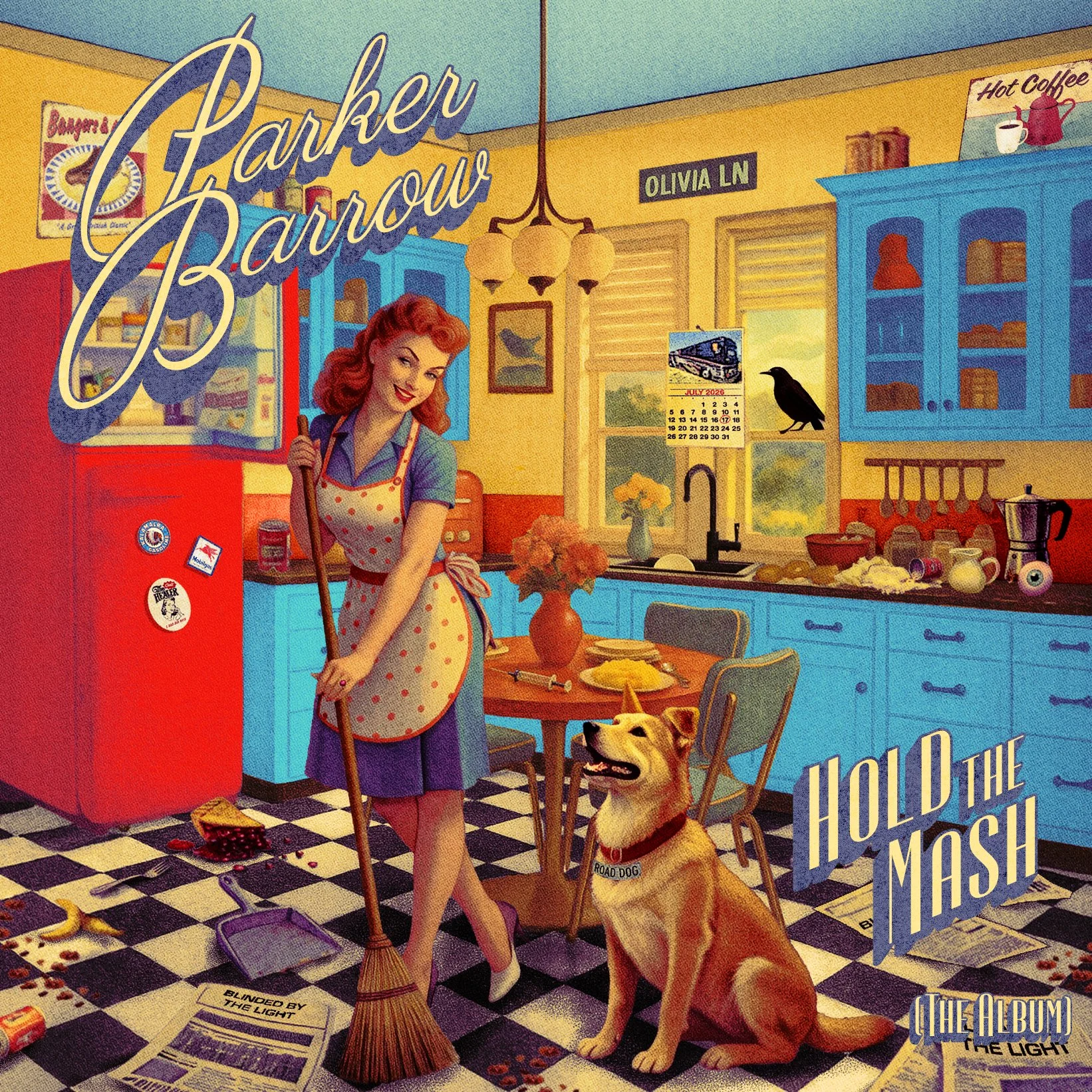
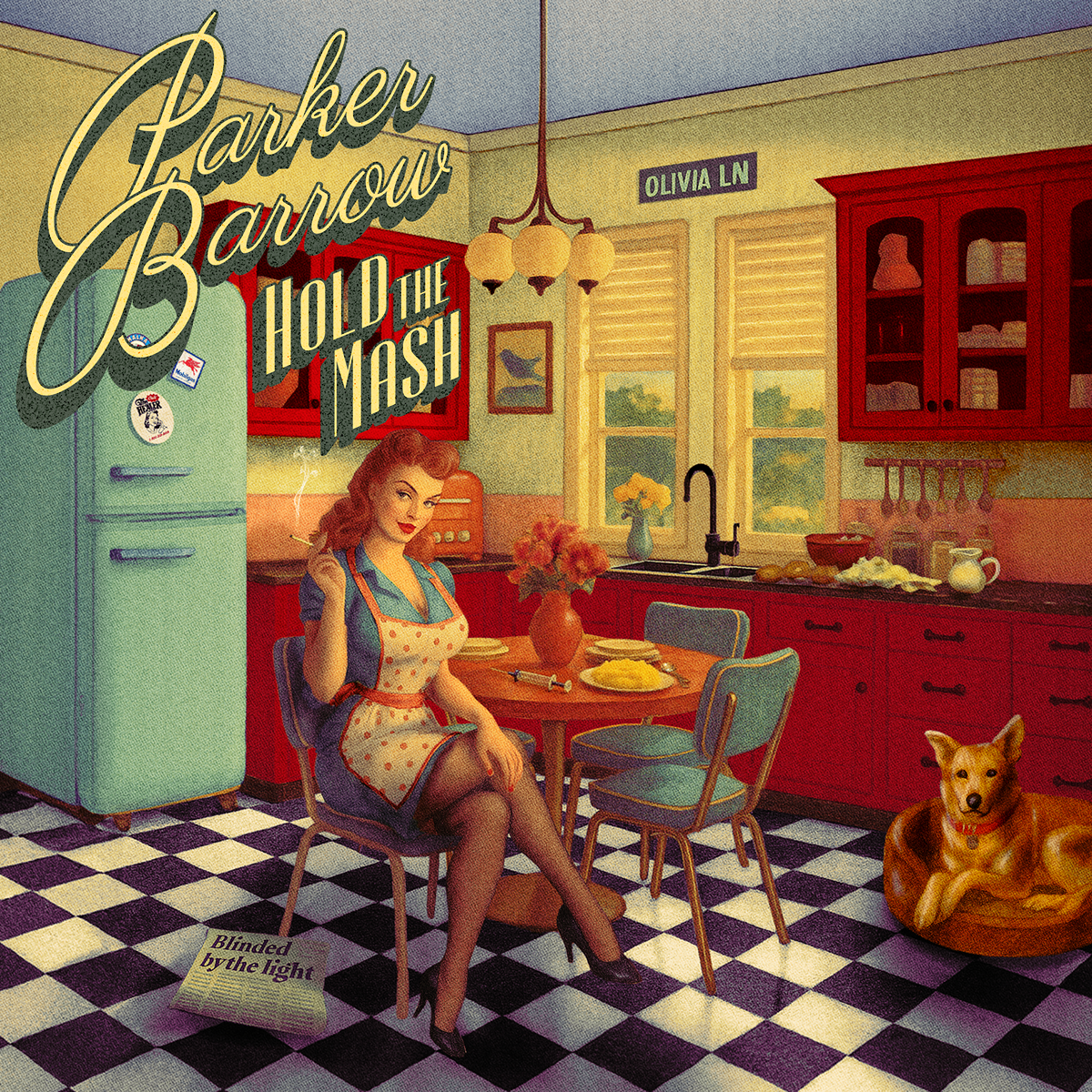
New EP Hold The Mash Out Now
Video
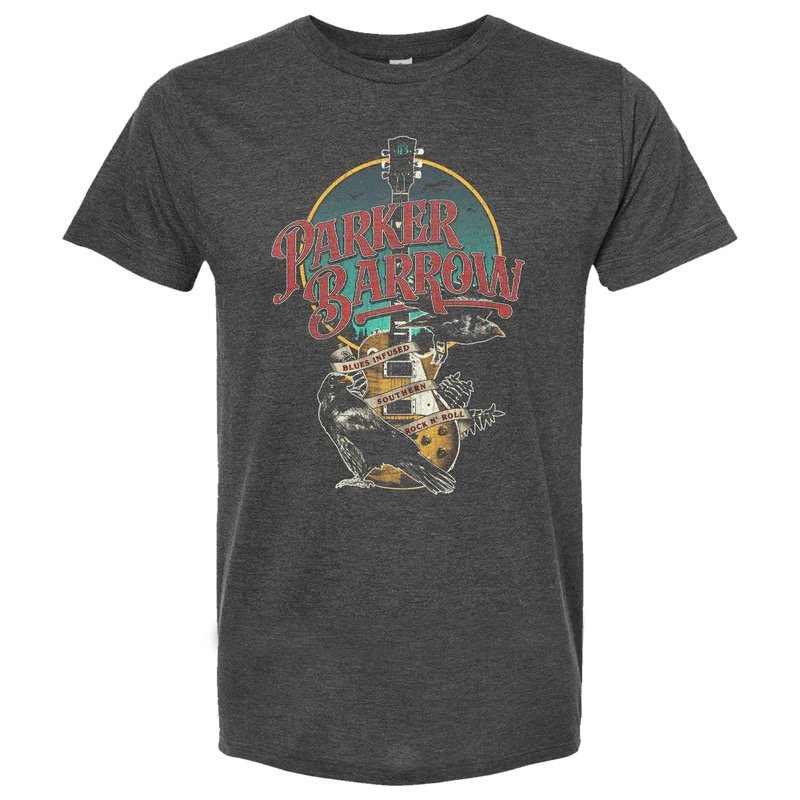
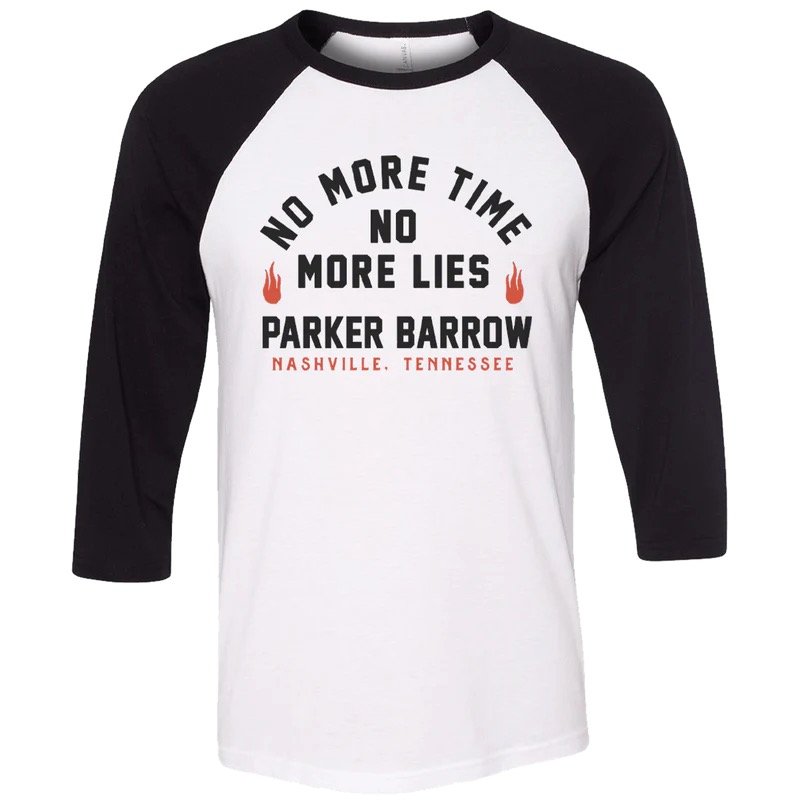
Merch
Shop Now
〰️
Shop Now 〰️
The Story
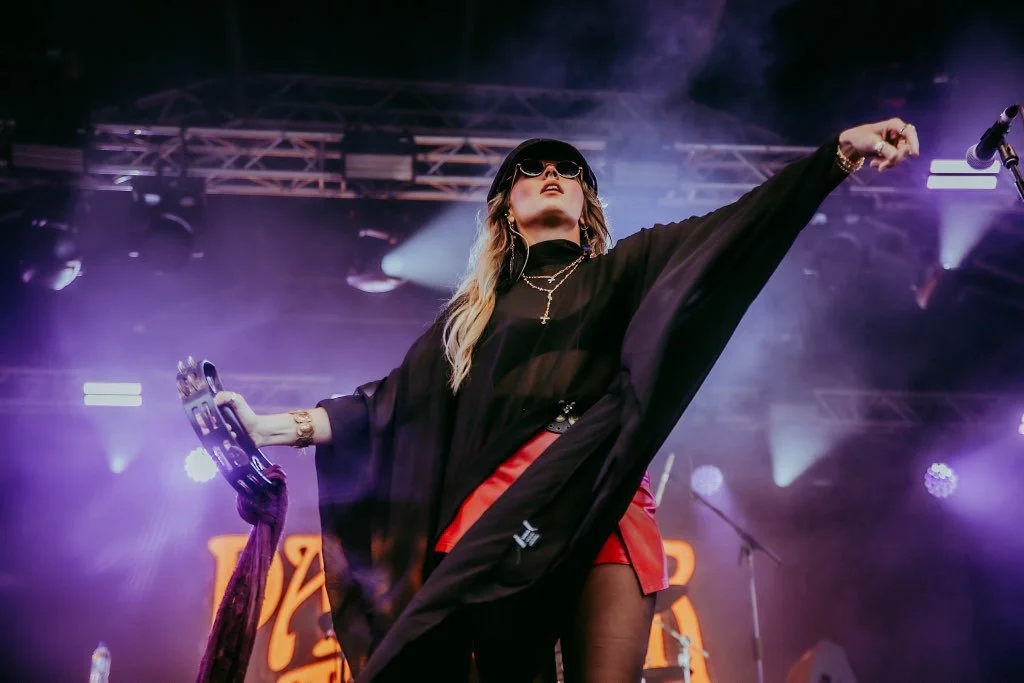
Parker Barrow have always understood the power of a good myth.
In their case, that myth arrived through two names pulled from American folklore: Bonnie Parker and Clyde Barrow. Outlaws, lovers, fugitives, folk heroes, cautionary tale. For Megan and Dylan, the pull was never the criminality. It was the bond. The motion. The sense of two people so locked into each other, and into a shared fate, that the road itself becomes part of the story.
That idea runs through Parker Barrow, the Nashville band led by Megan Kane and Dylan Turner, now entering a bigger, sharper chapter with Hold the Mash, out July 17th. The name may nod to one of the most mythologized couples in American history, but the band’s own story is built on something far less romanticized and far more real: faith, sacrifice, hunger, chemistry, long miles, and years of pursuing music with very little safety net.
Long before Parker Barrow became a band name, it was a way of living.
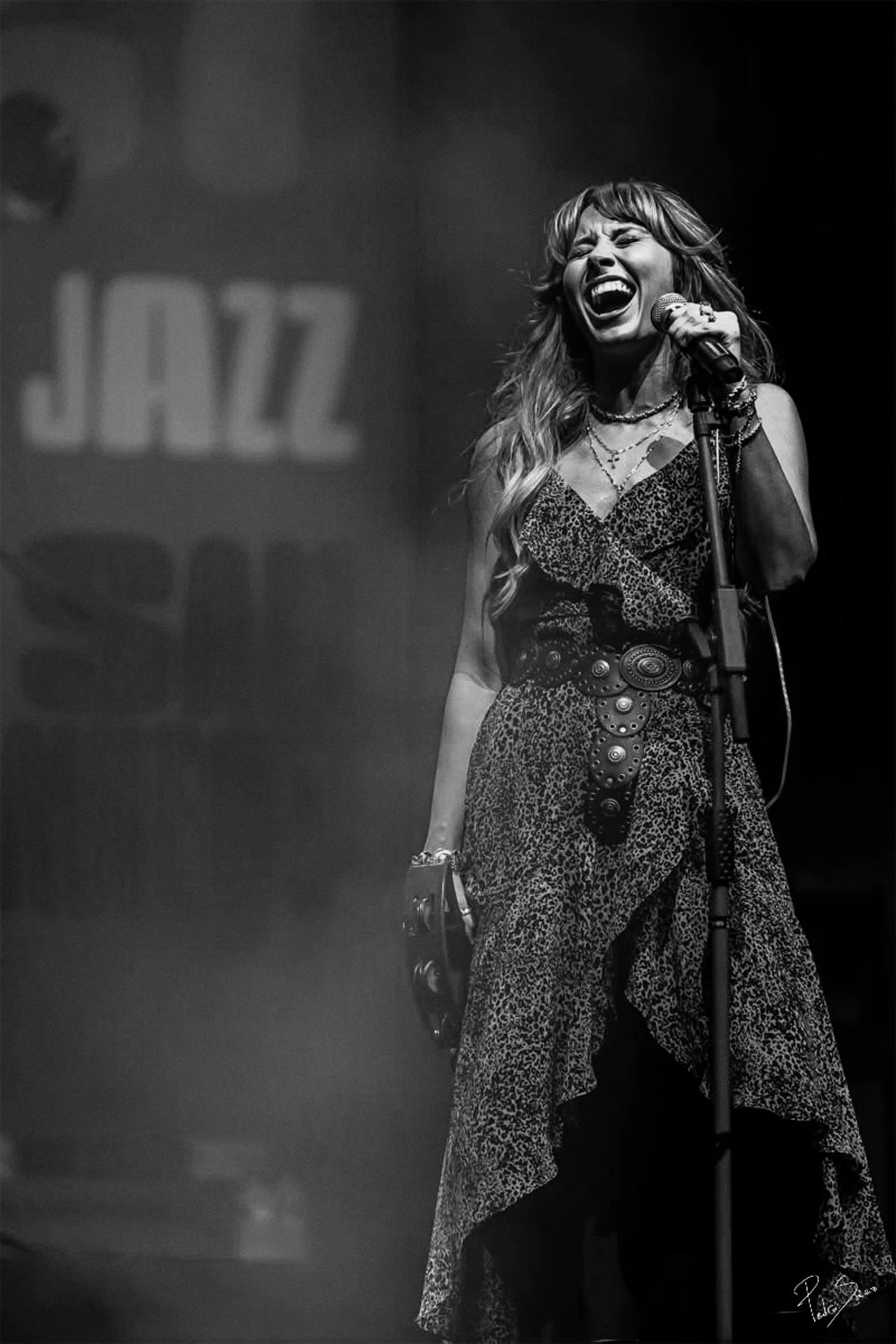
Megan grew up in Pinson, Alabama, outside Birmingham, in a world where church shaped the rhythm of life and music carried spiritual weight. Her aunt led worship, and one of Megan’s earliest memories of singing in public came at age ten, when she performed in church before her baptism. That early connection never left her. Music was emotional release, comfort, expression, and hope. It became a way to process what she could not easily say out loud. She learned guitar at eleven, wrote her first song at twelve, and soon started showing up at Birmingham songwriter nights with her mother, who would bring her to WorkPlay on Monday evenings so she could get up and sing in front of strangers.
The artists Megan first gravitated toward were storytellers who had lived hard lives and turned those experiences into song: Johnny Cash, Loretta Lynn, Merle Haggard. What she heard in them was honesty and survival. They had come from struggle and made something lasting from it. That meant something to her. But even as she loved country songwriting, she never fully heard herself in the contemporary country mold. The voices felt too polished, too contained. She could not quite find where her own voice belonged.
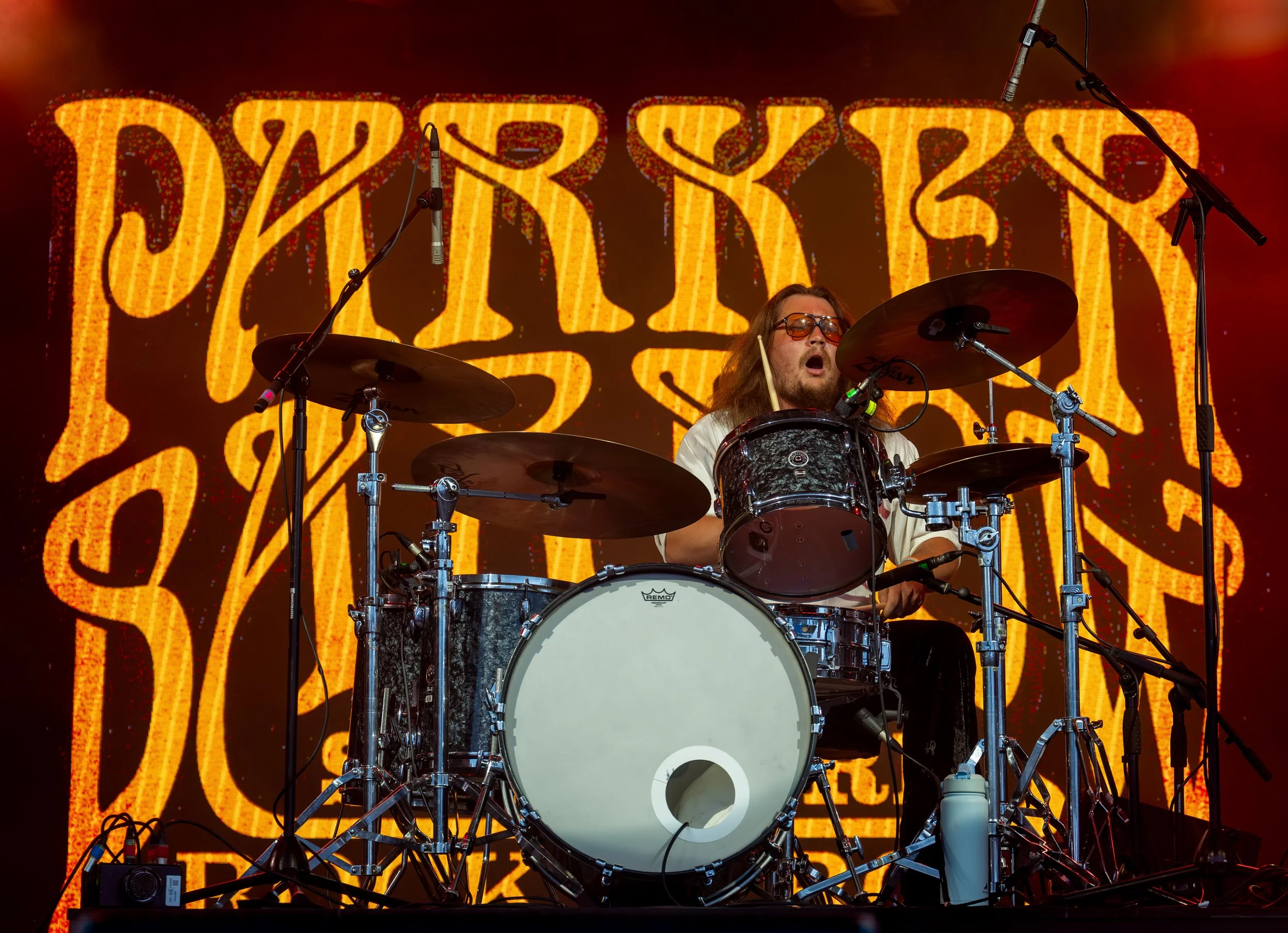
Dylan’s path began in La Plata, Maryland, about an hour outside Washington, D.C. His father played in a band and, for a stretch, owned a coffee shop that doubled as a music venue, which meant Dylan grew up surrounded by live music from the inside out. He saw soundchecks, teardown, musicians settling up at the end of the night, the whole hidden architecture of the thing. He got his first drum set at four and learned by playing along while his father strummed guitar. He loved the songs, but he also fell for the larger world around them - the preparation, the machinery, the culture of it all.
After high school, church brought him back to drumming in a deeper way. Playing on a worship team reopened something that had gone quiet in him, and through that experience he found his way back to purpose. It reignited his drive to build a life in music, and he started doing what so many musicians do before anything is glamorous: driving up and down the East Coast, shaking hands, booking bar gigs, piecing together bands, trying to create momentum out of sheer will.
By the time Megan and Dylan met in Nashville in 2019, both had already shaped their lives around music, though from different angles. Megan had moved from Alabama with no real fallback plan, working odd jobs and playing downtown while chasing the future she had imagined since childhood. Dylan had been in town a couple years, grinding through Broadway gigs and trying to assemble a touring band with people who were truly committed. Then, midway through an East Coast run, his singer quit. In a desperate moment, he reached out to Megan, whom he had met only briefly a week or two earlier, and asked if she could leave the next day and join the band on the road.
She said yes.
There is something cinematic about the whole thing: Megan, 21 years old, climbing into Dylan’s white van after calling her mother for reassurance, heading toward places she had barely seen on a map. The farthest north she had been was South Carolina. Delaware might as well have been another country. But she trusted the instinct anyway
During that first drive, they talked for hours. By the end of the trip, something had clicked. At first it was musical. Then it quickly became clear it was personal too. They had come from different places, but they shared the same intensity, the same sense of calling, the same willingness to give everything over to the road if that was what the music required.
For Megan, joining a band opened up a life she had not fully imagined for herself. She had spent years pursuing the idea of being a solo artist, but that path often left her feeling isolated. She did not love the self-promotional side of it, or the pressure of making everything revolve around one person. In a band, she found a different way to lead - one rooted in chemistry, collaboration, and shared vision.
She also found the sound she had been looking for.
Dylan introduced her to The Black Crowes, Tedeschi Trucks Band, deeper Allman Brothers records, and the fuller vocabulary of Southern rock and blues. Suddenly, her voice made sense in a new way. It did not need smoothing out. It needed space. It needed grit, fire, and room to push. What once felt like a mismatch in one genre became one of her greatest strengths in another.
The Bonnie and Clyde connection came later, when Megan and Dylan were trying to rename the band and found themselves diving into films, documentaries, poems, and letters about Bonnie Parker and Clyde Barrow. What resonated was not glamour for its own sake. It was devotion. Two people bound together in motion, attached at the hip, chasing a life that made sense only because they were doing it side by side. That part felt familiar.
The years that followed were lean enough to test any dream. Megan and Dylan lived in an RV with no heat, no air conditioning, and no generator. They parked at Walmart. They split food between themselves and their dog. But they kept going, and in the process, Parker Barrow became something stronger and more defined than either of them could have built alone.
That growth is all over Hold the Mash. The album builds from the foundation laid by Jukebox Gypsies, but it also marks a real shift in how Parker Barrow operates in the present tense. A major part of that shift is guitarist and musical director Alex Bender, whose role in recent years has become central to the band’s identity. Alongside Dylan, Alex has helped shape the writing, arrangements, and sonic direction of this current chapter, helping the band move with greater clarity and cohesion. What once felt like a hard-won vision taking shape now feels like a group locking fully into itself.
You can hear it in the confidence of the songs, and in the way the band now understands how to frame its own instincts. Even the album title reflects that side of Parker Barrow - playful, visual, a little cheeky, and fully aware of its own personality. Beneath that humor, though, is a band whose music is built from lived experience. Every mile in it feels earned.
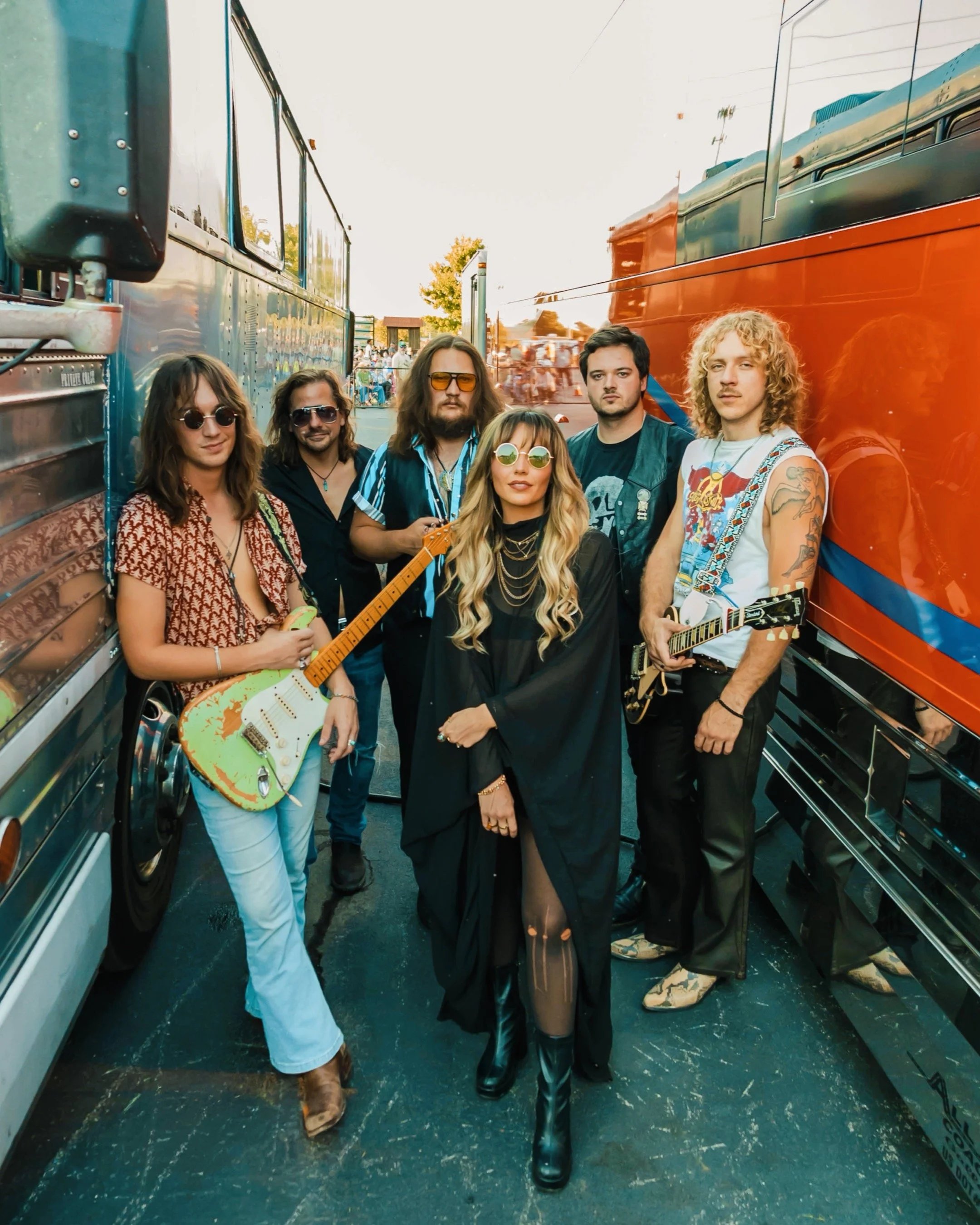
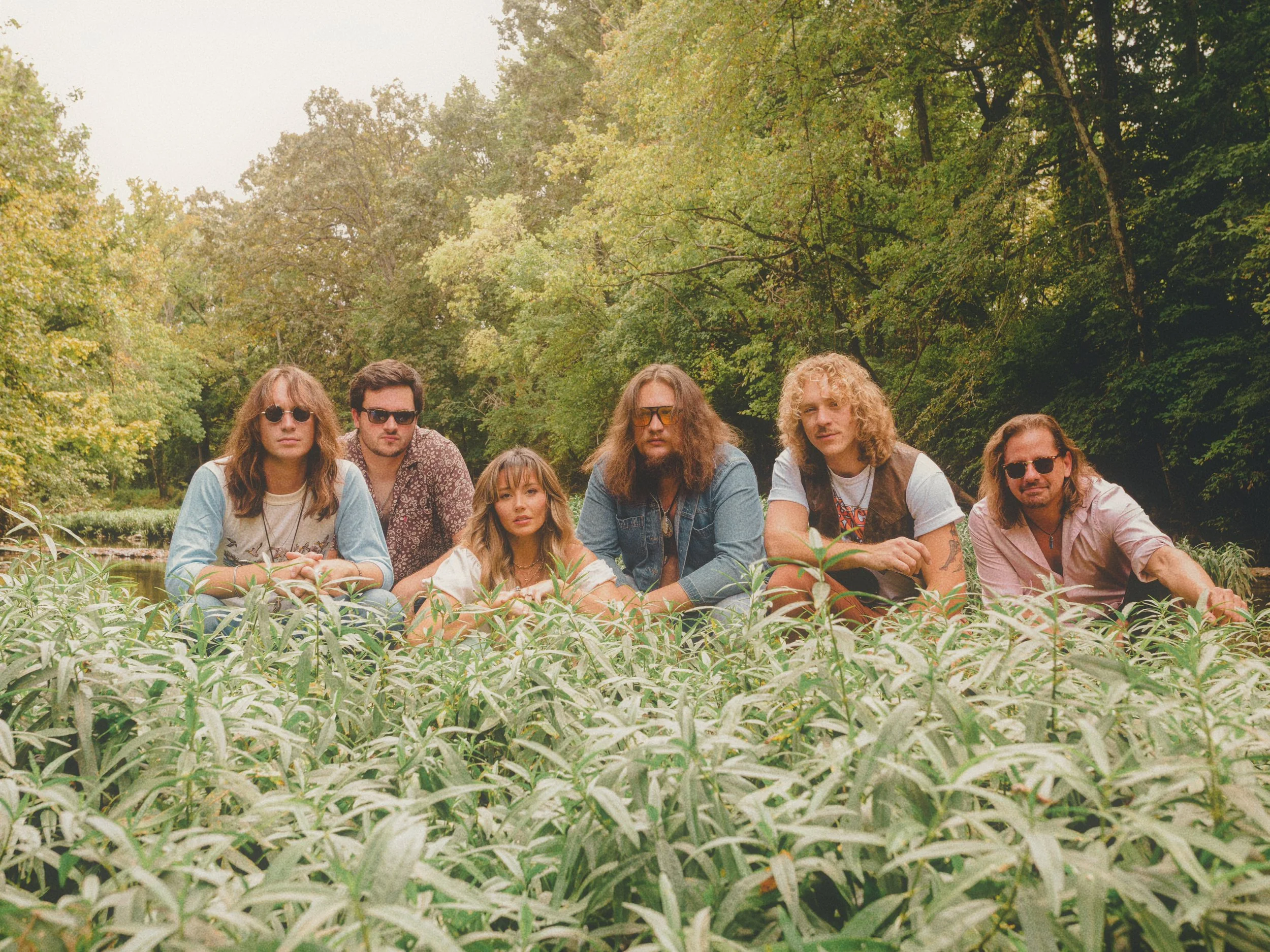
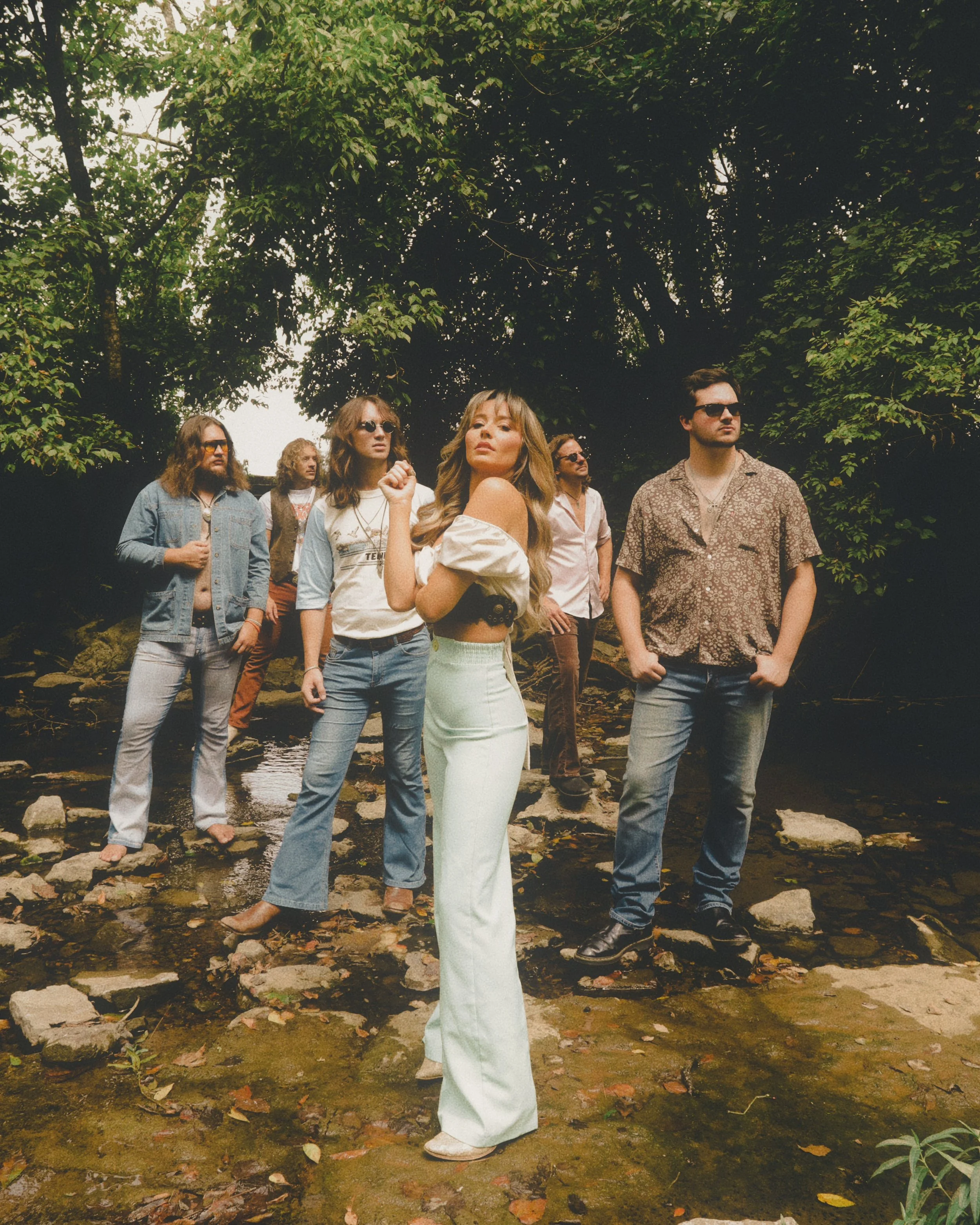
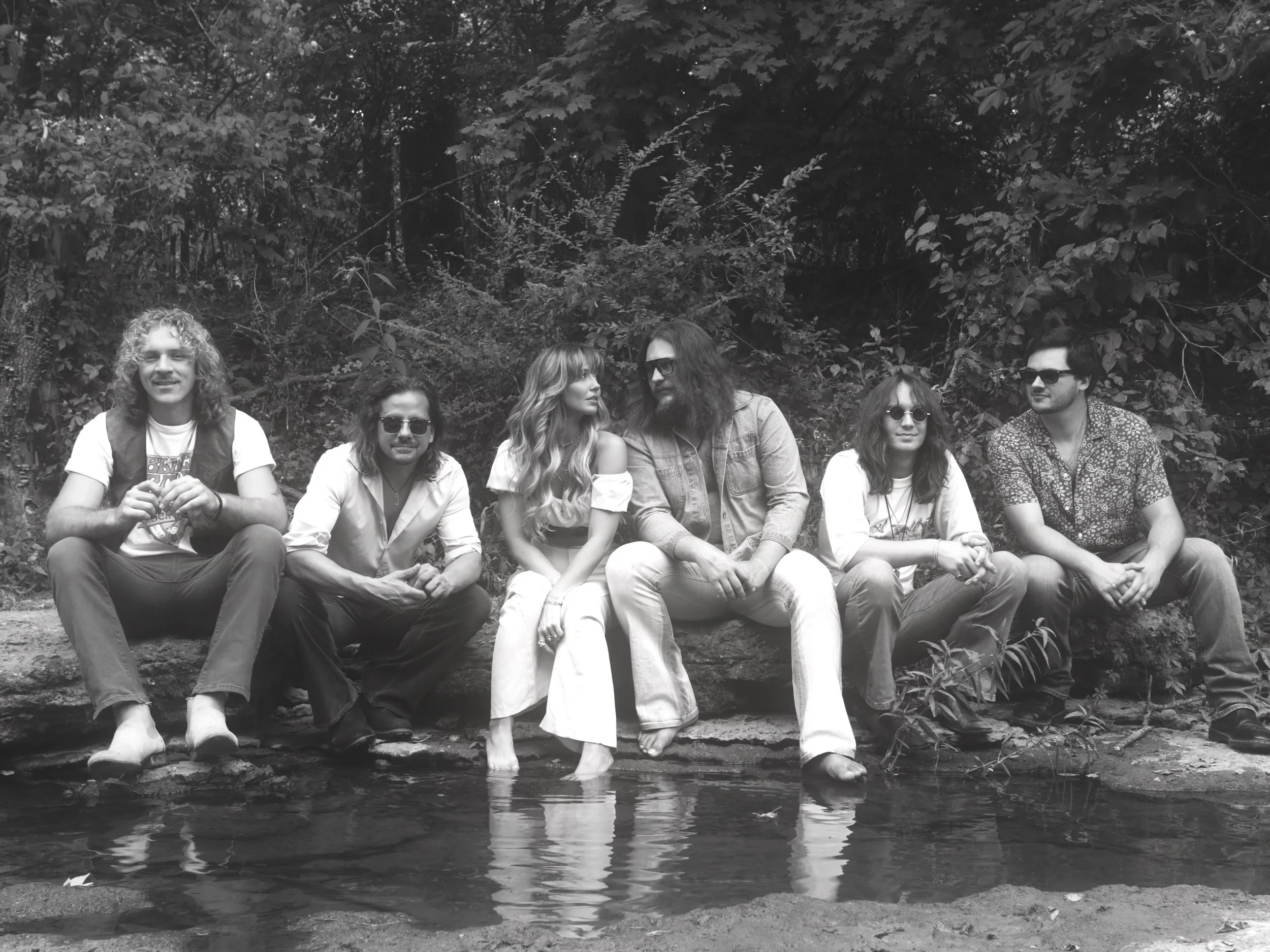
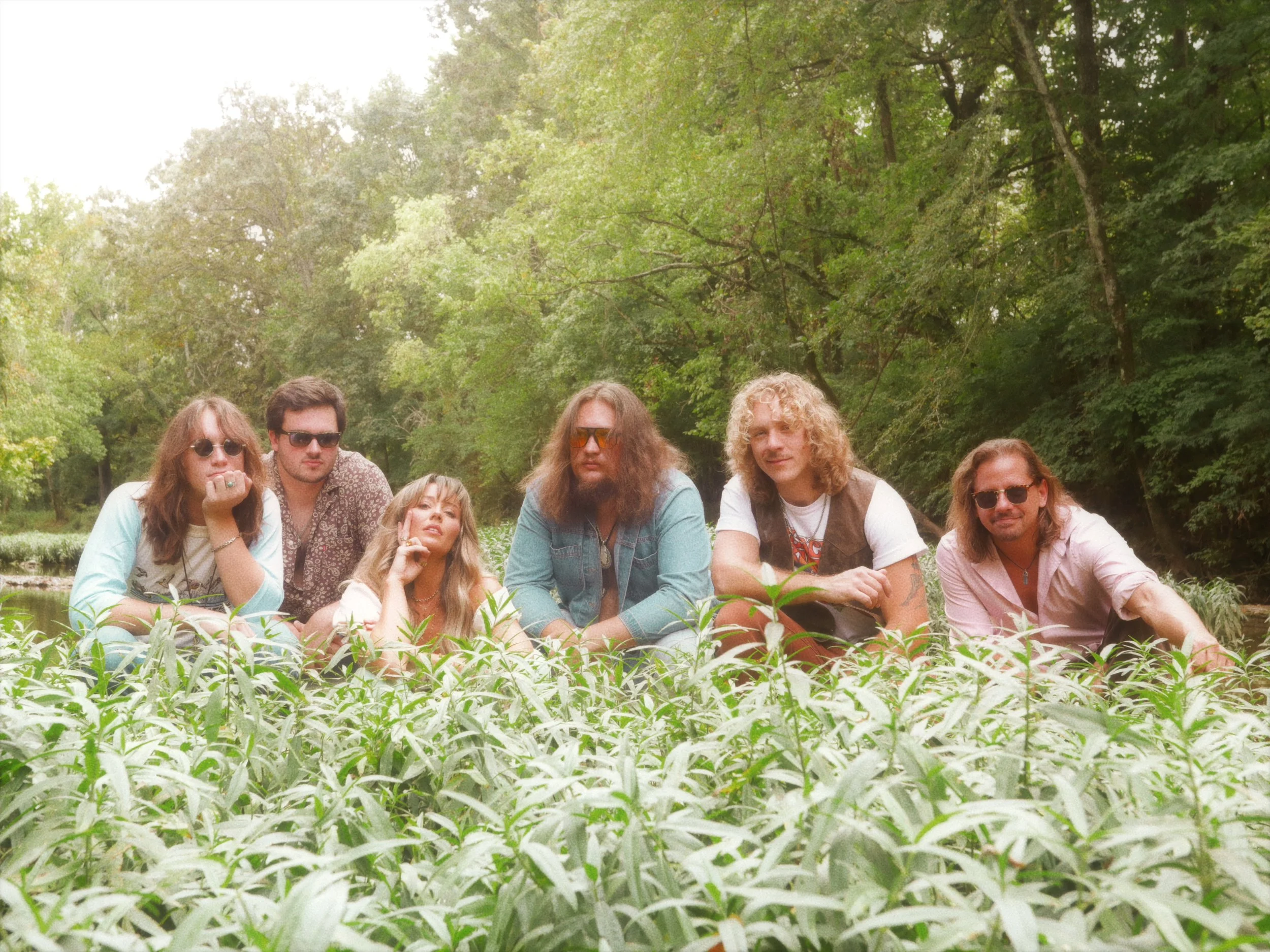
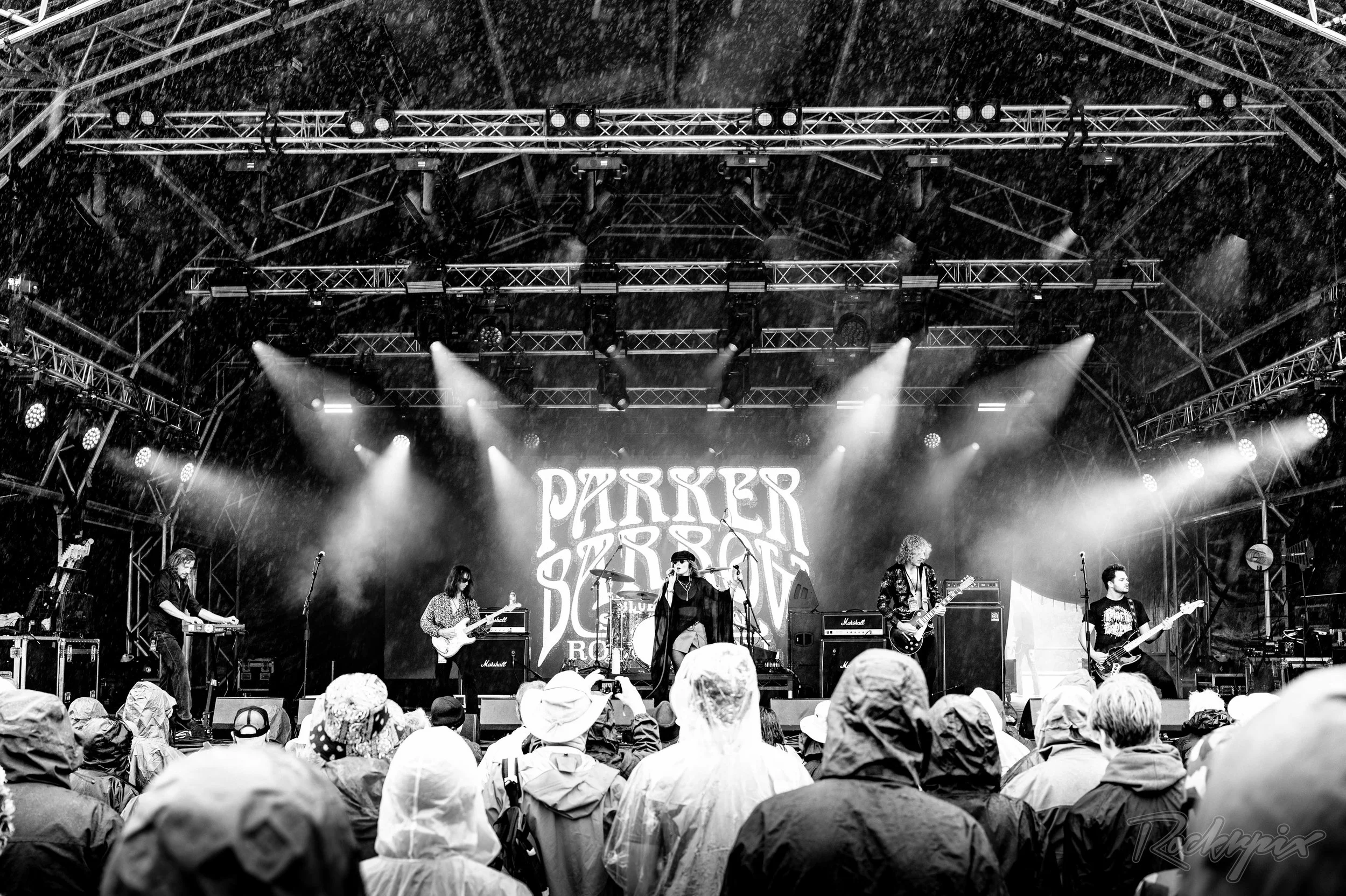
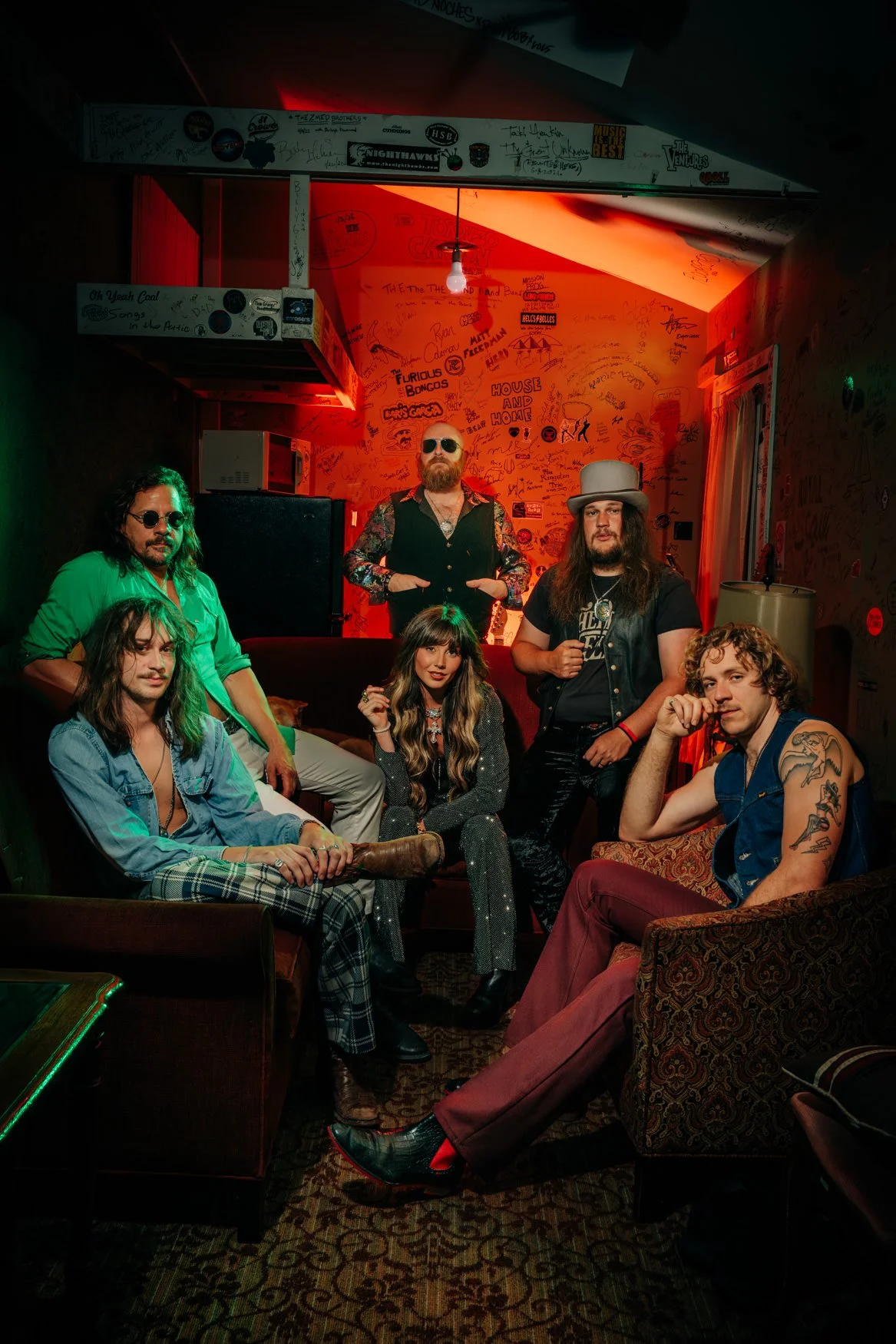
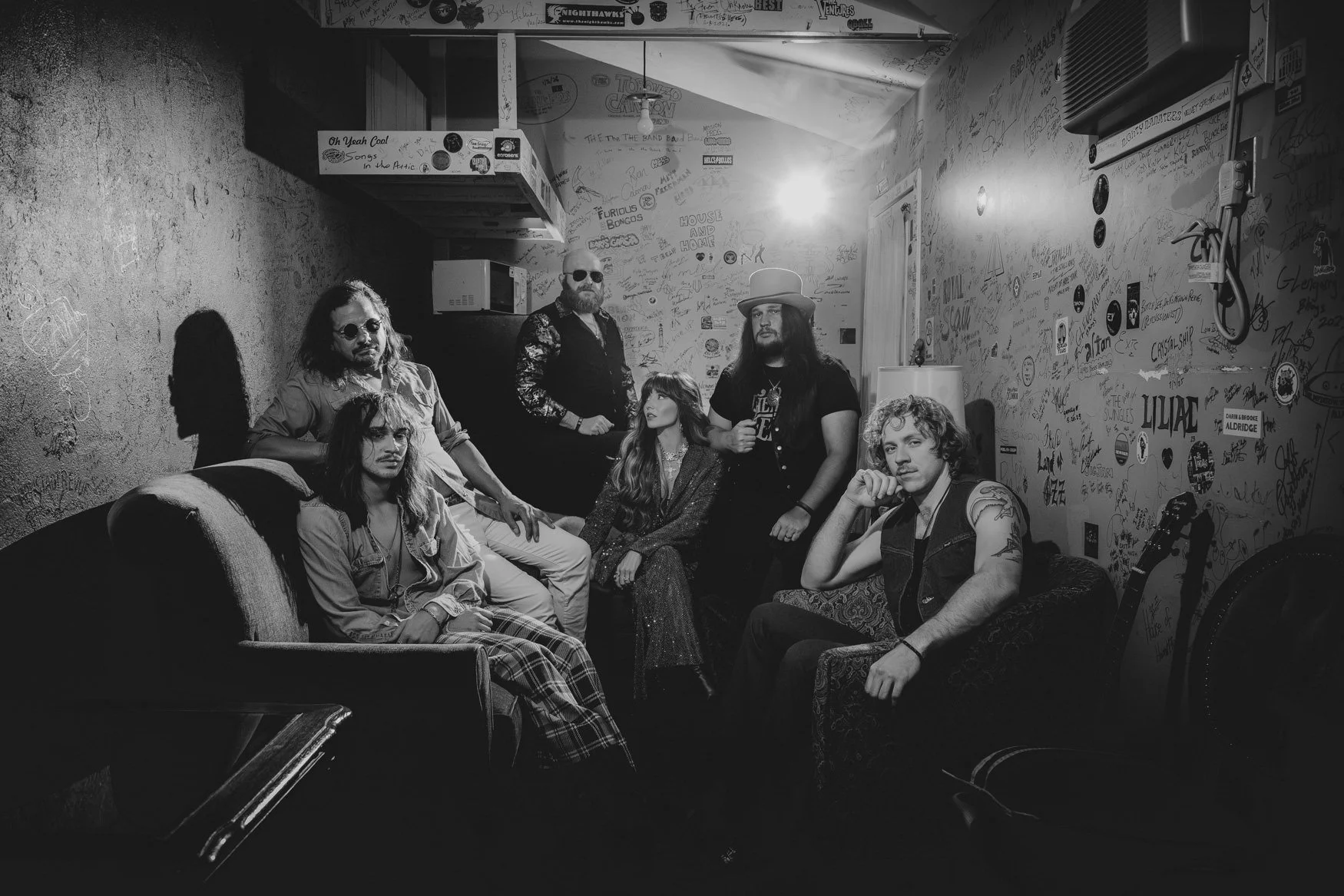
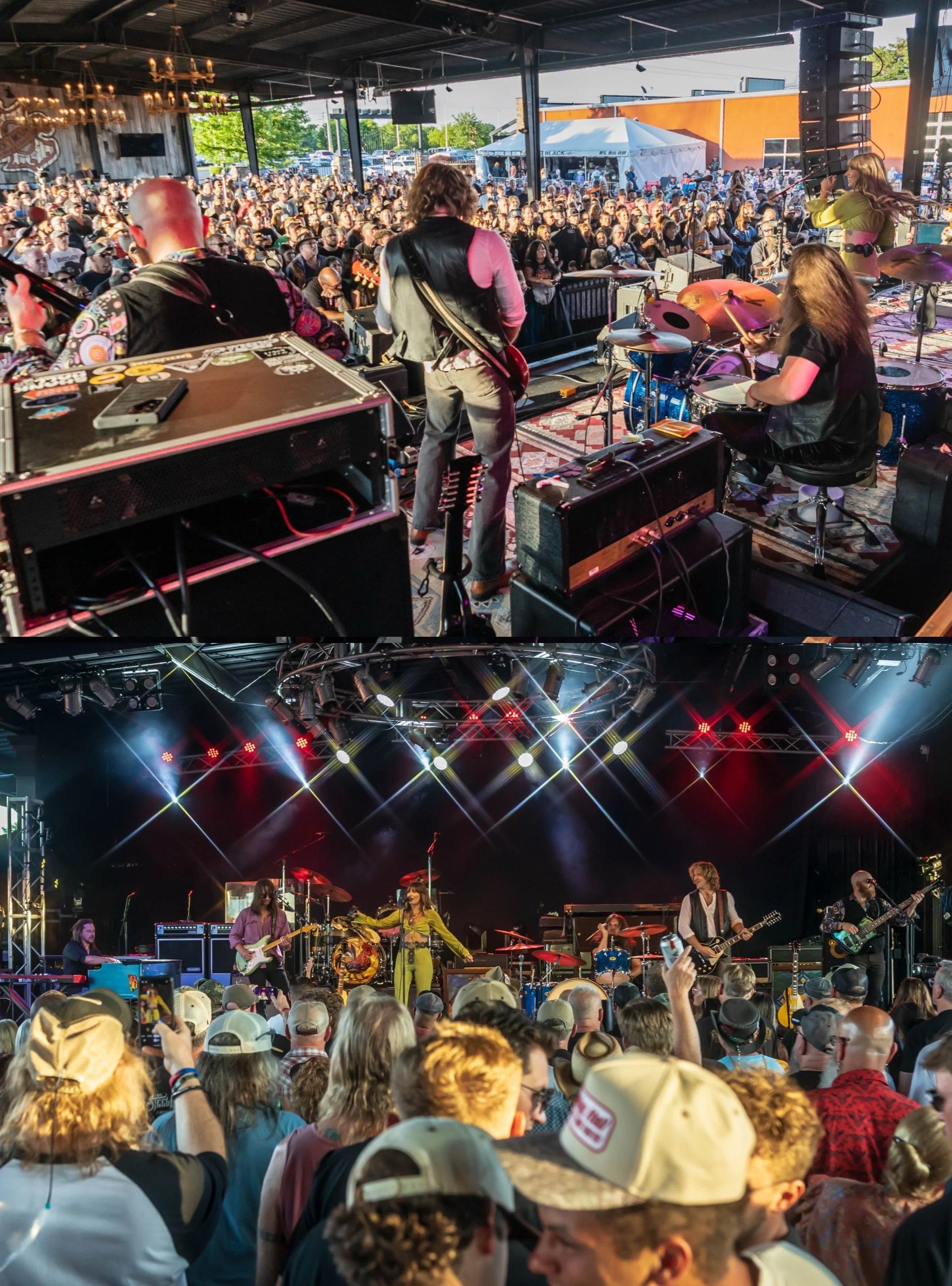
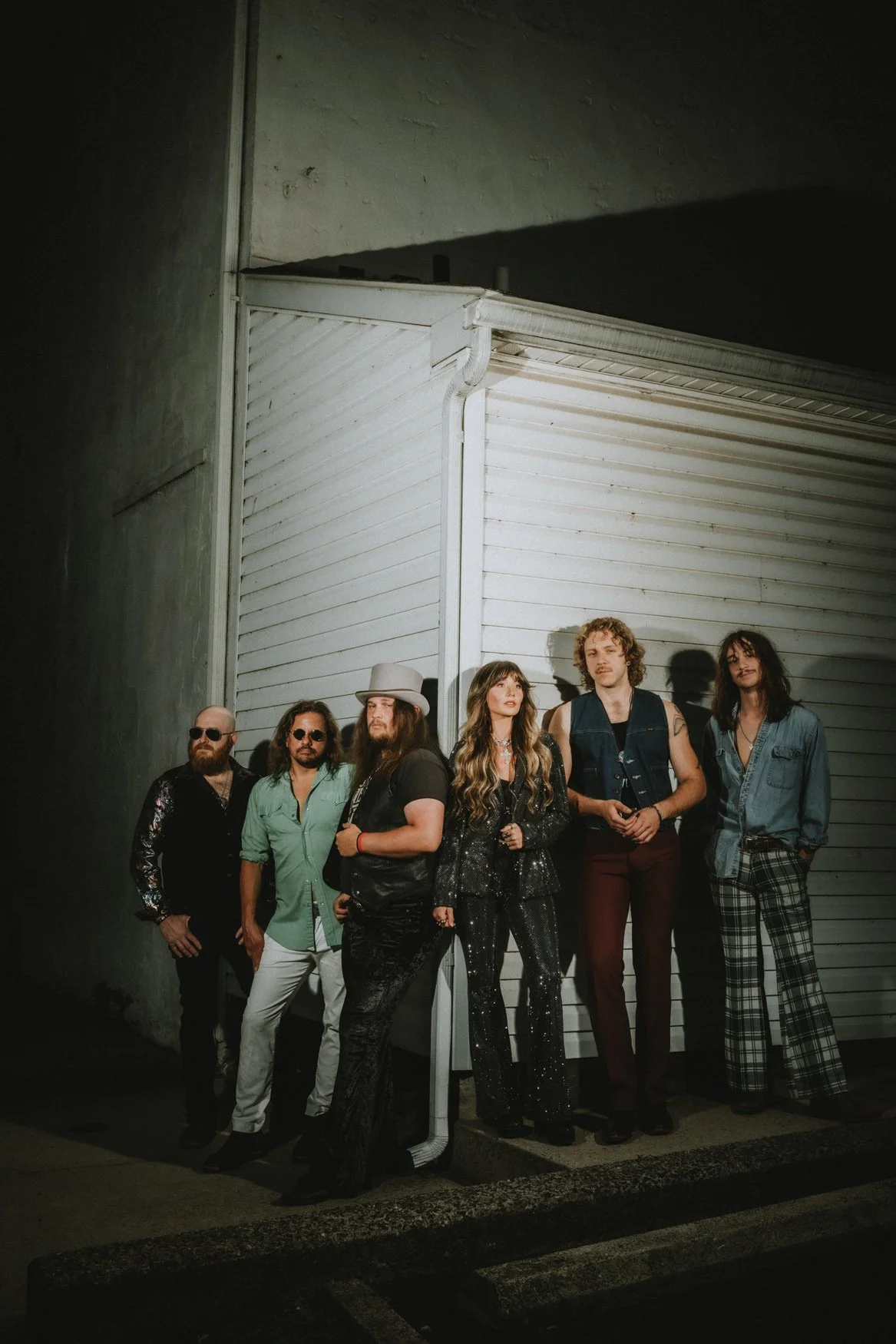
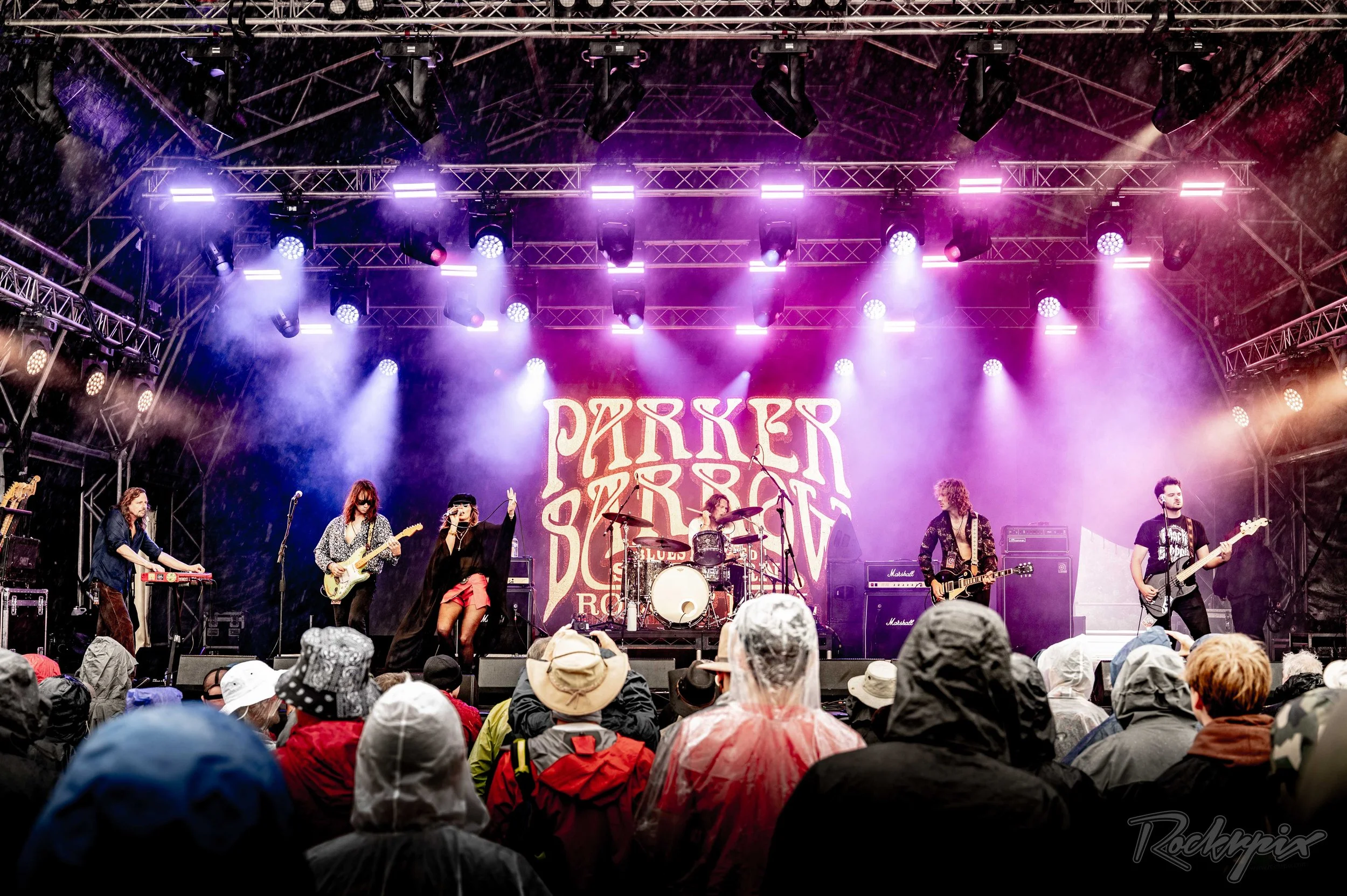
That may be the clearest way to understand Parker Barrow now. The Bonnie and Clyde reference opens the door, but the real story is what Megan, Dylan, and now Alex have built on the other side of it: a band shaped by faith, survival, chemistry, and the stubborn belief that the road can still lead somewhere worth going. With Will Tipton on guitar, Kyle Priber on bass, and Eric Safka on keys rounding out the lineup, Parker Barrow has grown into a fully realized unit - one that carries that original vision forward with a wider, more powerful sound.
On Hold the Mash, that story keeps moving.